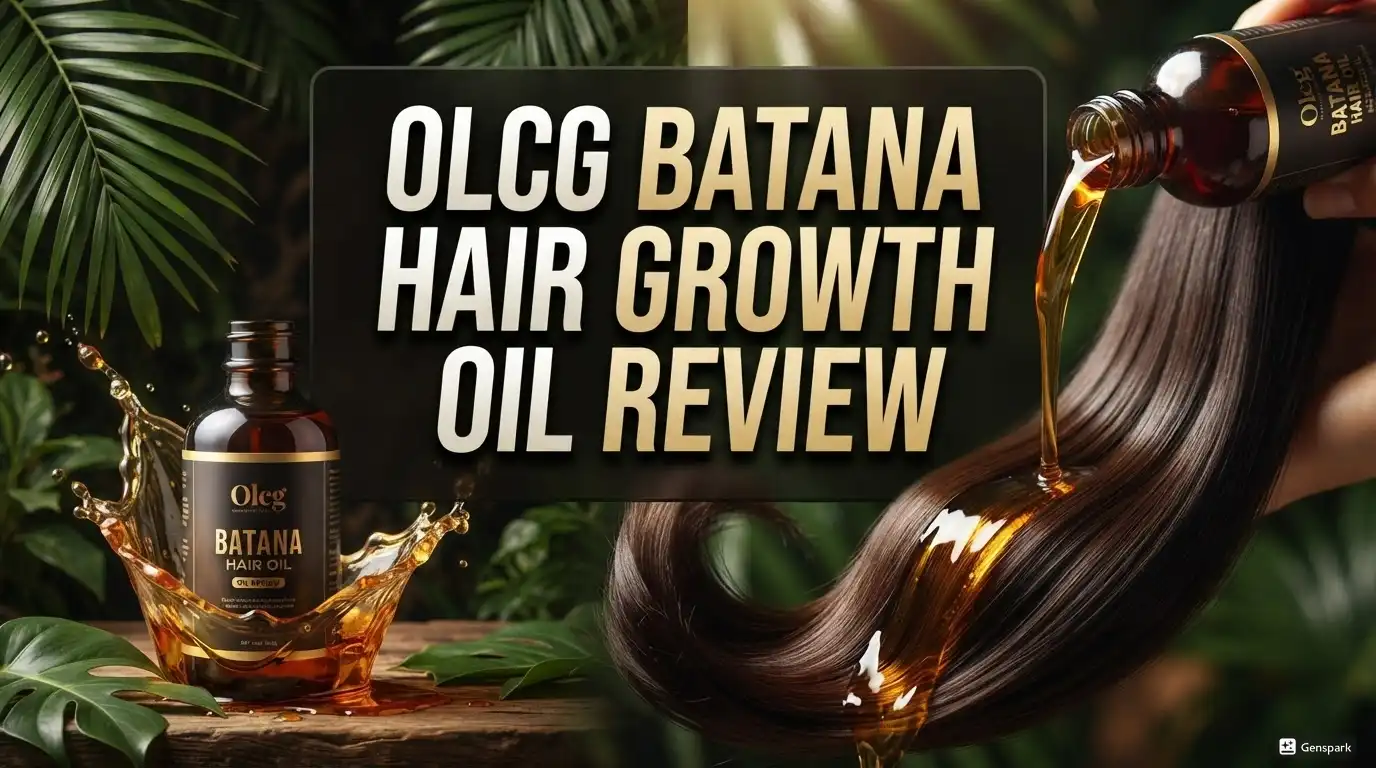
OLCG Batana Hair Growth Oil Review 2026: All in One Guide
Are you tired of watching your hair thin out? Are you searching for a natural oil that actually delivers? Batana oil is one of the biggest hair care trends right now. People call it the liquid gold of Honduras. The OLCG brand turns this raw oil into a smooth paste. It promises thicker, shinier, healthier hair.
But does it really work? Is it worth the price? Or is it just another overhyped product? I looked at the ingredients, the science, the buyer reviews, and the real complaints. I also compared it with top rival batana oils on the market. This review covers everything you need before you add OLCG Batana Oil to your cart. Read on to see the honest picture.
Key Takeaways
Here is a quick summary of this review. These points give you the core answers fast. The full details follow below.
- OLCG Batana Oil is a raw, unrefined paste. It comes pressed from American oil palm nuts. The jar keeps the natural golden brown color and thick texture of pure batana oil with no added fillers.
- It works as a deep conditioner first. The paste traps moisture inside the hair shaft. It softens dry strands, adds shine, and tames frizz without harsh chemicals.
- Hair growth support is real but gradual. Many buyers notice baby hairs and a fuller part line after two to three months of steady use. It is not a quick fix.
- The nutrients do the heavy lifting. Oleic acid, linoleic acid, vitamin E tocotrienols, and carotenoids feed the scalp and protect every strand from breakage.
- Consistency beats everything. Reviewers see the best results when they apply the paste two to three times a week for eight weeks or more.
- Side effects are rare but possible. A small number of users report scalp irritation, buildup, or greasy hair when they use too much at once. Patch test first and you will stay safe.
The short version is clear. This oil nourishes, softens, and protects your hair. It supports growth instead of forcing it. Keep reading for the full breakdown.
What Is OLCG Batana Oil?
OLCG Batana Oil is a 100 percent raw batana paste. It comes in a 4.06 ounce jar with a thick, golden brown texture. The brand calls it pure batana oil with no water, no fragrance, and no extra oils.
The paste form is a key detail. Many batana products on the market are thin liquids mixed with carrier oils. OLCG keeps the raw paste texture that looks and feels like the original oil from Honduras.

- Natural Batana Oil Paste Formula:Our hair treatment features high-quality Batana oil, a unique plant-derived...
- Effective Nourishment & Restoration:Batana oil works to penetrate hair strands, helping to address dryness at the...
- Daily Anti-Hair Loss & Growth Support:Creates a lightweight protective barrier for hair follicles to effectively...
Last update on 2026-09-11 / Affiliate links / Images from Amazon Product Advertising API
The listing promises four things. Thicker hair, more shine, less breakage, and less hair loss. It says the paste nourishes all hair types. The product carries the Amazon’s Choice badge. Buyers rate it 4.3 stars from more than 150 ratings.
The brand markets the paste for men and women. It suits straight, wavy, curly, and coily textures. Because the oil is unrefined, it keeps the natural color and scent of the palm nut.
What you get in the jar is simple. Raw batana oil, nothing else. That simplicity draws many buyers. They want a pure oil with a single ingredient list.
Is it the same as the oil women use in Honduras? Nearly, according to the brand and many reviewers. OLCG sources the oil to match the traditional raw form. That raw form matters because refining can strip away nutrients.
Keep this in mind before you buy. The paste is dense and rich. A little amount covers a lot of hair. One jar lasts several weeks with two to three uses per week.
Why Is Batana Oil So Popular?
Batana oil comes from the nut of the American oil palm tree. That tree grows mainly in Honduras. People there have used the oil for generations to keep hair strong and soft.
Some call it the liquid gold of Honduras. The name fits. The oil has a deep golden brown color and a rich, creamy feel. Beauty fans around the world discovered it through social media, and demand exploded.
What makes the oil special is its nutrient profile. It is packed with oleic acid, an omega 9 fatty acid. It also holds linoleic acid, an omega 6 fatty acid. These two fats soften the hair and help the scalp hold moisture.
The oil is also rich in vitamin E. It contains tocotrienols and tocopherols, which belong to the vitamin E family. Vitamin E acts as an antioxidant. It protects hair cells from daily damage.
Carotenoids add another layer of protection. These are the same pigments found in carrots and pumpkins. They give batana oil its warm color and support a healthy scalp. Squalene, another compound in the oil, helps lock moisture into each strand.
Many compare batana oil with rosemary oil. Both are natural scalp treatments with loyal fans. But batana oil stands out for its deep conditioning power. It does more than stimulate. It also repairs and softens.
That combination of moisture, protection, and nourishment explains the buzz. People want one product that does several jobs at once. Batana oil fits that wish.
Does OLCG Batana Oil Really Grow Hair?
Here is the honest answer. Batana oil does not have large clinical studies behind it yet. Most proof comes from user experiences, not lab trials.
Dermatologists point out that oils like this condition the hair and scalp. A healthy scalp gives hair a better chance to grow. When the scalp stays moisturized, hair breaks less. Less breakage means longer, fuller looking hair over time.
The fatty acids in batana oil help in another way. They calm a dry, flaky scalp. A calm scalp is a good home for hair follicles.
User reports support these ideas. Some buyers see new baby hairs along the hairline after eight to twelve weeks. Others say their middle part looks fuller. Many mention less hair in the shower drain.
One thing matters. Results take time. Hair grows about half an inch per month on average. So a visible change takes months, not days. Users who quit after two weeks often report no benefit.
The ratings on the OLCG listing match this pattern. Buyers who use it steadily leave positive reviews. A small group who expected fast regrowth feel let down.
So does it grow hair? It creates the right conditions for growth. It softens, protects, and moisturizes. The strands that remain break less and grow from a healthier scalp. That is the realistic promise of batana oil.
For serious hair loss from medical conditions, see a doctor. Oils help, but they do not replace medical care.
Top 3 Alternatives for OLCG Batana Oil
OLCG is a strong option, but it is not the only one. These three batana oils earn high ratings and cost less. Compare them with OLCG before you decide.
100 Percent Raw Batana Oil from Honduras
Price: $15.38. Rating: 4.4 stars from more than 3,500 ratings.
This raw oil comes in a 4.06 ounce bottle. Buyers praise its light feel and easy application. The liquid form spreads fast on the scalp and mixes well with other oils. It holds a 4.4 star rating from thousands of reviews, which gives it a strong track record.

- 100% Pure Batana Oil: Crafted with 100% pure, unrefined batana oil sourced from Honduras - a plant-based oil rich...
- Moisturizes & Conditions: This rich oil helps condition hair strands and lock in moisture, helping to reduce the...
- Smoother, More Manageable Hair: Helps reduce friction between strands so hair looks smoother and is easier to...
Last update on 2026-09-11 / Affiliate links / Images from Amazon Product Advertising API
Batana Oil Paste from Dr. Sebi Honduras
Price: $12.99. Rating: 4.5 stars from more than 2,000 ratings.
This paste keeps the traditional thick texture at nearly half the price of OLCG. Buyers rate it 4.5 stars. They like the rich feel and the way it softens dry curls. If you want the raw paste experience on a budget, this one fits.

- Miskito Ancestral Cold-Extraction: From Honduran Rainforest to Your Strands, Crafted from 100% Organic Batana Oil...
- Hair Growth: Recommended by Dr. Sebi. Our cold-pressed natural oil promotes hair growth, transforming brittle...
- Deep Moisturizing: Our hair growth oil continuously releases nutrients and repairs the triple complex damage of...
Last update on 2026-09-11 / Affiliate links / Images from Amazon Product Advertising API
Raw Batana Oil Paste, 5.3 Ounces
Price: $15.89. Rating: 4.4 stars from more than 3,800 ratings.
This jar gives you the most oil for the money. At 5.3 ounces, it holds about 30 percent more product than OLCG. The price stays close to $16. That makes it the best value for regular users who go through paste quickly.

- Natural & Raw Batana Oil: Unrefined batana oil for hair growth is extracted from the nuts of American Palm Tree...
- Promoting Hair Growth & Anti Hair Loss : This organic batana oil paste is enriched with Vitamin E, which can...
- Nourishing & Hydrating: MISICH pure botana oil is rich in various natural elements, such as Omega-6 linoleic acid...
Last update on 2026-09-11 / Affiliate links / Images from Amazon Product Advertising API
Each of these three options covers a different need. Choose the liquid bottle for light application. Choose the Dr. Sebi paste to save money. Choose the big jar for long term value. All three beat OLCG on price per ounce.
OLCG Batana Oil Pros and Cons
Every product has trade offs. Here are the clear upsides and downsides of OLCG Batana Oil.
Pros
- Raw and unrefined. The paste keeps the natural nutrients of batana oil.
- Amazon’s Choice badge. The listing stands out in a crowded market.
- Deep conditioning power. Users report softer hair and more shine after a few uses.
- Simple ingredient list. No added chemicals, water, or carrier oils.
- Works for all hair types. Straight, wavy, curly, and coily textures all get coverage.
- Thick paste texture. It stays on the scalp and hair better than thin liquids.
Cons
- Higher price. At $25.85, it costs more than most rival batana pastes.
- Small jar. You get 4.06 ounces for that price.
- Heavy on fine hair. Some users say the paste weighs down thin strands.
- Slow results. Hair growth takes months of steady use.
- Possible buildup. Too much product can leave a greasy film.
- Limited proof. No large studies confirm hair regrowth claims.
The pros outweigh the cons for many buyers. The biggest complaint is price. If you love the raw paste feel and want a trusted brand, OLCG delivers. If budget matters more, check the alternatives above.
How to Use OLCG Batana Oil for Best Results
Using the paste the right way makes a big difference. Here is a simple routine anyone can follow.
Start with a patch test. Rub a small amount behind your ear. Wait 24 hours. If your skin turns red or itches, skip this product.
Warm the paste before use. Scoop a small amount, about the size of a coin. Rub it between your fingers. Body heat melts the thick paste into a smooth oil.
Apply to the scalp in sections. Part your hair and press the oil onto the scalp with your fingertips. Massage for two to three minutes. Massage boosts blood flow to the follicles.
Coat the ends next. Run the remaining oil down the lengths of your hair. Focus on the driest parts.
Leave it on for 30 to 60 minutes. For a deeper treatment, cover your hair with a shower cap and leave it overnight. The longer contact time lets the fatty acids sink in.
Wash it out completely. Batana paste is rich, so one wash may not remove it all. Use shampoo twice, then condition as usual.
Repeat two to three times a week. That rhythm gives consistent moisture without buildup.
Store the jar in a cool, dry place. Keep the lid tight. The oil stays fresh for months with proper care.
That routine takes about ten active minutes. The payoff is softer hair and a calmer scalp.
How Long Before You See Results?
Results follow a clear pattern for most users. Here is what to expect over time.
Week one. Your hair feels softer and looks shinier. The paste coats each strand and seals in moisture. This change is cosmetic, but it feels great.
Week three to four. Shedding often slows down. Less hair appears in your brush and shower drain. A calmer scalp holds onto strands longer.
Week eight to twelve. Baby hairs appear along the hairline and crown. Some users notice a fuller middle part. These tiny new hairs are the first sign of growth.
Month three to six. The new hairs gain length. Hair looks denser and feels thicker. This is the stage where most positive reviews are written.
Your personal timeline depends on several factors. Hair growth speed, diet, sleep, stress, and genetics all play a role. Hair grows about half an inch each month on average.
Do not expect dramatic changes overnight. Batana oil works with your body, not against time. If you see no change after four months, reassess your routine or talk to a doctor.
The key is patience. Many people stop after two weeks, which is too soon. Stick with the routine for at least eight weeks before you judge the results.
What Is Inside OLCG Batana Oil?
The ingredient story is short. OLCG markets this product as 100 percent raw batana oil. No water, no fragrance, no carrier oil, no preservatives.
What does raw batana oil contain? The nut of the American oil palm gives a rich mix of natural compounds.
Oleic acid is the star fatty acid. It makes up a large share of the oil. Oleic acid softens hair and keeps the scalp flexible and moist.
Linoleic acid adds more conditioning power. This omega 6 fat supports the skin barrier on your scalp.
Vitamin E appears as tocotrienols and tocopherols. These antioxidants fight free radical damage. Free radicals come from sun, heat styling, and pollution.
Carotenoids give the oil its golden color. They work as extra antioxidants that support scalp health.
Squalene helps the oil absorb well. It also locks moisture into every strand.
Because the oil is unrefined, these nutrients stay intact. Refining heat can destroy vitamin E and delicate fatty acids. The raw paste keeps them active.
Check the label on your jar before use. Raw oils can vary by harvest and region. The color may shift from light gold to deep brown. That variation is normal for an unrefined product.
One note of caution. This is a single ingredient product. The formula is simple by design. If you want added vitamins or essential oils, this is not that kind of product.
Are There Side Effects and Safety Concerns?
Batana oil is gentle for most people. But no product fits everyone. Here are the risks to know.
Scalp irritation is the most common complaint. It is rare, but some sensitive scalps react. Redness, itching, or a burning feeling means stop use right away.
Buildup happens with heavy use. The paste is rich and thick. If you do not wash it out fully, it leaves a film. That film can block pores and weigh hair down.
Greasy hair is a minor side effect of overuse. Too much oil or too many applications per week makes hair look oily. Stick to two or three uses weekly.
Acne along the hairline can occur. Oil that runs down your forehead may clog skin pores. Wipe the edges of your hairline after application.
Allergies are possible but uncommon. The oil comes from a tree nut, so people with nut allergies should patch test carefully. Ask a doctor if you are unsure.
No known drug interactions. The oil stays on the surface of your skin. It does not enter the bloodstream in meaningful amounts.
Batana oil does not treat medical hair loss conditions such as alopecia areata. If you have patchy hair loss, sudden shedding, or an itchy rash, see a dermatologist first.
The safety picture is simple. Patch test, use the right amount, and wash it out. Most users enjoy the oil without any trouble.
OLCG Batana Oil vs Other Batana Oils
All batana oils share the same base. The differences show up in form, price, and brand trust.
Paste versus liquid. OLCG comes as a thick paste. Liquid versions spread faster and feel lighter. Paste versions cling to the hair and give a deeper treatment. Your choice depends on your hair texture. Fine hair often prefers liquid. Thick or curly hair handles paste well.
Price per ounce. Money matters over time. OLCG costs $25.85 for 4.06 ounces. That comes to about $6.37 per ounce. The Honduras raw oil bottle costs $15.38 for 4.06 ounces, about $3.79 per ounce. The Dr. Sebi paste costs $12.99 for 4.05 ounces, about $3.21 per ounce. The 5.3 ounce jar costs $15.89, about $3.00 per ounce. OLCG is the most expensive of the four.
What does the extra money buy? The Amazon’s Choice badge and a strong brand presence. OLCG also markets itself as a pure raw paste with no fillers. Some buyers trust that label.
Review volume. Rivals hold 3,500 to 3,800 ratings. OLCG holds about 150 ratings. More ratings give a fuller picture of a product’s track record. That does not make OLCG worse, but the sample is smaller.
When to pick OLCG. Choose it when you want a named brand with a clean raw paste claim and you accept the premium price. Choose a rival when budget or review volume matters more.
Who Should Buy OLCG Batana Oil?
This oil suits some people better than others. Here is a clear breakdown.
Buy it if you have dry hair. The paste is a heavy moisturizer. It rescues brittle, thirsty strands and restores softness fast.
Buy it if you want shine. Users report a healthy gloss after regular use. The fatty acids smooth the hair cuticle, which reflects light better.
Buy it if you have curly or coily texture. Thick textures absorb heavy oils well. The paste tames frizz and defines curls without crunch.
Buy it if you prefer single ingredient products. One raw oil, nothing else. That is a simple and honest formula.
Skip it if you have fine, thin hair. The rich paste can weigh down light strands. A liquid batana oil suits you better.
Skip it if you expect fast regrowth. No oil grows hair overnight. If you want quick results, batana oil will frustrate you.
Skip it if your budget is tight. Cheaper pastes deliver similar results. The price difference is hard to justify for some buyers.
Men and women both use it. The product works the same on any scalp. OLCG markets the paste to everyone.
The best fit is someone with dry to normal hair who wants softness, shine, and long term scalp care. That person will get the most value from this jar.
How Much Does It Cost and Where to Buy?
The price tag is simple. OLCG Batana Oil sells for $25.85 per jar. Each jar holds 4.06 ounces, or 120 milliliters.
That price sits above the category average. Most batana pastes on Amazon sell between $8 and $16. OLCG charges a premium for the brand and the raw paste claim.
Does the price make sense? It depends on your use. One jar lasts four to six weeks with two to three applications per week. Spread over that time, the cost feels smaller.
You can buy it on Amazon. The listing carries the Amazon’s Choice badge. Shipping is handled through the normal Amazon checkout process. Keep an eye on the price, since listings like this often move up and down with sales and coupons.
Check the seller before you buy. Look for the OLCG brand store and recent reviews. A few sellers list similar pastes under different names, so match the exact product image and size.
The value picture is fair but not a bargain. You pay more for a trusted brand and a clean label. If that matters to you, the jar is worth it. If you want the cheapest raw paste, the alternatives cost less for nearly the same oil.
Final Verdict
So what is the final call on OLCG Batana Oil?
The verdict. It works as a deep conditioning treatment and supports a healthy scalp. It is not a miracle hair regrower, and no honest brand claims that. But as a raw, nutrient rich oil, it delivers real softness, shine, and reduced breakage.
What it does best. The single ingredient formula is clean. The paste texture gives a thorough treatment. Amazon’s Choice tells you buyers trust the listing. Consistent users report baby hairs and fuller hair over three months.
Where it falls short. The price is the biggest issue. Rivals sell similar pastes for nearly half the cost. The jar is small, and proof of growth is mostly anecdotal.
Who should buy it. Choose this jar if you want a trusted raw paste and care more about quality feel than price. You value a simple label and a brand with a Choice badge.
Who should pass. Skip it if you want the best value, have fine hair, or expect fast regrowth. Those buyers do better with a cheaper rival.
Overall, OLCG earns a solid recommendation. It does what batana oil does best. It nourishes, softens, and protects. The extra cost buys brand trust and a pure raw form. If that sounds like your style, this jar is a good addition to your hair care shelf.
Frequently Asked Questions
How often should I use OLCG Batana Oil?
Use it two to three times a week. That rhythm keeps your hair moisturized without buildup. If your hair feels heavy, drop to once a week. If it feels dry, add one more session.
Can I leave OLCG Batana Oil on overnight?
Yes. Apply a light layer, cover your hair with a shower cap or silk scarf, and sleep. Wash it out in the morning with two shampoos. Overnight use works well for very dry hair.
Does batana oil work on all hair types?
Yes. It suits straight, wavy, curly, and coily hair. Fine hair should use less product. Thick and curly textures can use a bit more.
Will OLCG Batana Oil regrow bald spots?
No. The oil cannot regrow hair lost to medical conditions like alopecia. It supports a healthy scalp and reduces breakage. See a doctor for patchy hair loss.
Does batana oil stain pillows or clothes?
It can. The oil has a deep golden brown color. Use a shower cap at night and wash your hands after application. Old towels work best.
Is OLCG Batana Oil safe for colored or treated hair?
Yes for most people. The oil has no harsh chemicals. It can even help dry, chemically treated strands. Do a patch test first if your scalp is sensitive.